
Pet owners should be aware about pet diseases. Offering them timely care is a responsibility. It is not merely pesky parasites, but more serious viral infections that cats face.
Feline infectious enteritis is a highly contagious viral disease. It affects cats and dogs. Feline parvovirus attacks the cat’s intestines, targeting the cells. The condition causes diarrhea and difficulty in eating, etc. The feline enteritis (แมวลำไส้อักเสบ) attacks the cat’s bone marrow, which makes it fatal.
The condition is most common and severe in kittens between 3 – 5 months old. Kittens at birth are protected due to the antibodies in their mother’s milk. But this protection disappears after reaching 4 to 12 weeks.
Feline enteritis
Feline enteritis is caused by feline parvovirus infection, which is a big threat in environments with unvaccinated cats and kittens.
For example:
Feline enteritis is a rampant disease in areas with unowned cat populations.
The virus causes death, usually targeting unvaccinated kittens. Parvoviruses are dangerous because they survive for several years in the environment. The virus is resistant to many disinfectants.
Feline enteritis in cats affects their intestines, often leading to:
● vomiting
● diarrhoea
● loss of appetite
● discomfort
Cats at different ages are affected by this condition. Kittens and cats with a weaker immune system might face a higher risk of complications.
Diagnosing and treating feline enteritis starts by recognizing the unusual changes in cats:
● behaviour
● eating habits
● bowel movements
Signs of a cat with feline enteritis
The signs of feline enteritis in cats changes. It often causes severe illness and is deadly. Kittens older than 3 to 4 weeks and adult cats show some signs of feline enteritis.
Vomiting
You may see them vomiting even when they are well. A vomiting feline is not normal, unless they just vomit due to a hairball. It is their way to get rid of a hairball. But certain vomits are warning signs of a health condition.
Vomiting develops one to two days after the fever starts. Diarrhea occurs, but it is not always present. Severe cases result in severe dehydration that is a threat to them. Cats spend hours at their water bowl, seeing their desire to drink although they may not drink much.
The cats become weak and you see them not feeling well. The duration of illness is rare, more than five to seven days. Kittens under five months of age die from this virus infection.
Diarrhea with blood
Diarrhea with blood happens in cats with feline enteritis because it inflames the lining of the intestines. The inflammation affects normal digestion, irritating the digestive tract. It causes bleeding in the digestive tract. This makes their stool mixed with blood.
Feline enteritis causes bloody diarrhea for various reasons.
| Reasons for bloody diarrhea | Why it happens |
| Intestinal inflammation | An inflamed intestinal lining causes streaks of fresh red blood in the stool |
| Viral infections | A serious contagious disease damaging intestinal cells |
| Bacteria or parasitic infections | Certain bacteria and intestinal parasites irritate the digestive tract |
| Damage to intestine lining | Severe inflammation causes ulcers |
| Dehydration | Diarrhea causes quick loss of fluid and electrolyte |
Reasons why cats get parvo
A parvo virus passes in several ways, such as:
● in poop
● in urine
● in nasal secretions
The virus comes from cats with the virus. It can contaminate cats’ cages and handlers ‘ clothes. Fleas from infected cats can infect your cat too. The virus survives in the environment for months. So, your cat can get this disease without contact with diseased cats.
Cat-to-cat passage of feline parvovirus may possibly happen. It is more likely in multi-cat households and animal shelters. The virus affects the environment where pets are present, including pet shops.
Cat parvovirus treatment
Parvo virus cannot be killed by medicines alone. Many pet owners have saved their cats from this deadly virus by giving them proper care with:
● intravenous fluids
● nutrients
● antibiotics
Good supportive care prevents secondary bacterial infection in your cat to survive. There are high mortality rates in kittens affected by the virus. Kittens are fragile, since they are still young. An infected kitten with feline enteritis rarely survives. Therefore, giving proper hygiene to your cat keeps them from getting infected with this virus.
The older cats have a higher chance of survival in parvovirus.
FAQs
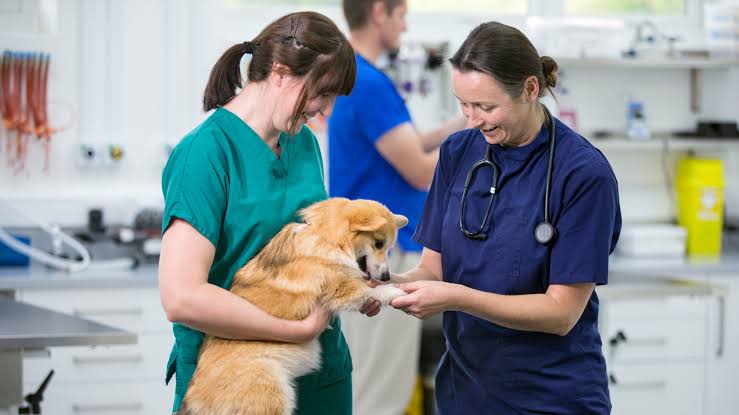
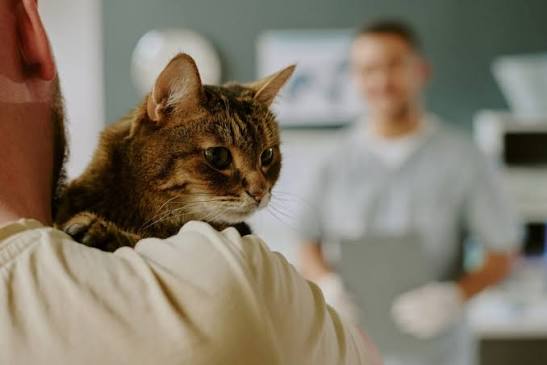
Why does a veterinarian perform consultation before diagnosing the disease?
This helps diagnose the right illness to figure out its causes and possible stage of the condition. The veterinarian performs some test procedures to diagnose the condition, such as:
● physical examination
● blood tests
● stool tests
Do feline enteritis in cats kill them?
Feline enteritis in cats is a serious disease, It is deadly when left untreated. But giving an early medication saves the life of your pet.
Are the early symptoms noticeable?
Feline enteritis quickly develops. The early signs of the disease show within five to nine days after exposure.
About the Author