
Allergies in dogs are one of the frequent health problems that could result in a lot of discomfort when not addressed. This guide describes the essential information on allergies in dogs (犬 アレルギー) along with symptoms, causes and easily manageable methods. It is focused on making the pet owners aware of signs and taking the right action.
Further discussion of dog allergies
What are the common signs of allergies in dogs?
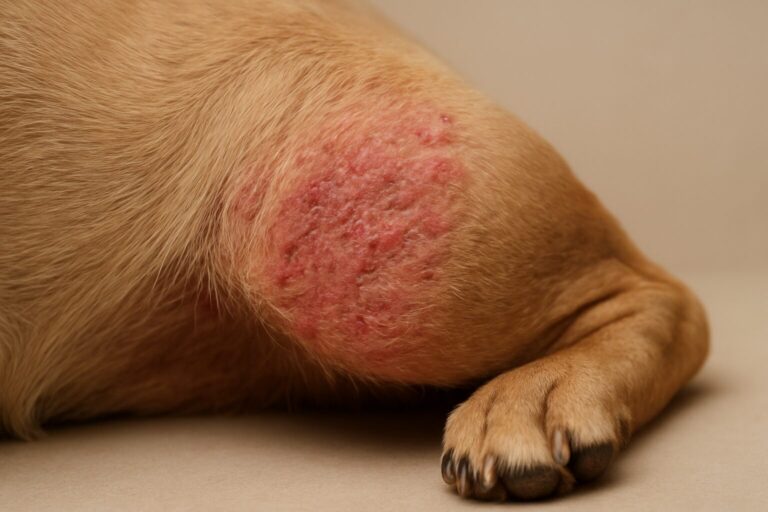
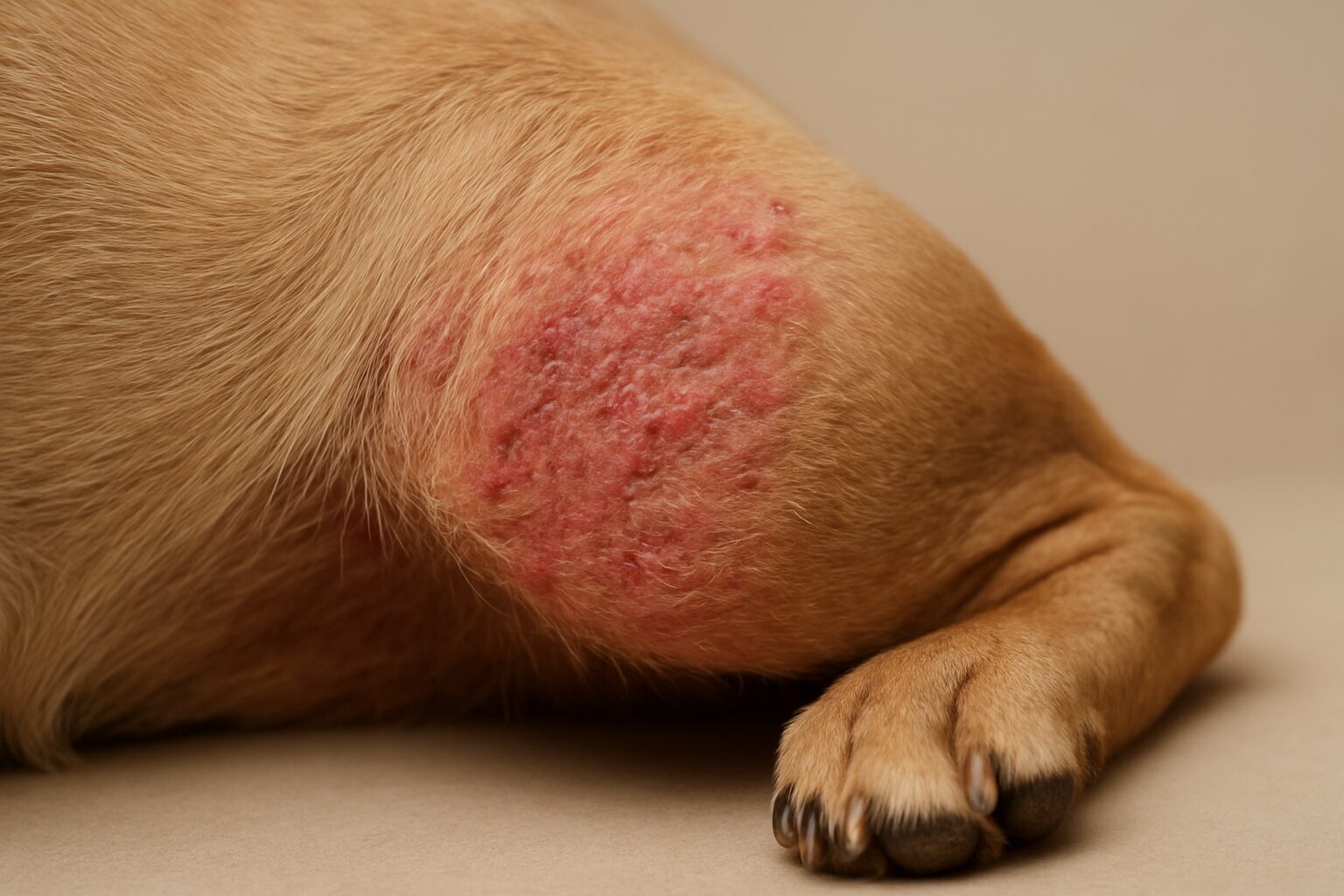
The allergies of the dog normally manifest through the skin and not sneezing or a runny nose. Itchiness, scratching, licking, and chewing at the paws, face, armpits, and the groin are the most common signs. Others can also exhibit inflamed, reddened skin or ear infections as well as loss of hair. Gastro-intestinal complications such as vomiting or diarrhoea may also be encountered particularly with food allergies.
What makes dogs allergic?
In dogs, allergies are caused by environmental or food substances. Trees and grasses, dust mites, mold and bites of fleas are common environmental allergens. Proteins like beef, chicken, dairy, or wheat are often the cause of allergies to food. Other dogs can have a combination of triggers to which they are allergic.
How do pollen allergies affect dogs?
Pollen allergic dogs tend to have a seasonal flare up which is aggravated at certain times of the year. A dog allergic to cedar pollen can exhibit symptoms in the late winter and early spring. The symptoms usually increase with outdoor walks and subside with getting the dog brought back home. The itch can be greater in the regions where the pollen gathers like the face, and paws.
How can pet owners reduce allergen exposure?
Symptoms can be controlled through decreasing exposure to allergens. Pollen and other irritants can be taken off the coat of the dog by attempting outdoor walks and then cleaning it using a wet cloth. Frequent cleaning up of the house such as washing of the bedding and vacuum cleaning will curb dust mites and mould. The dogs that are sensitive to flea bites should also be given a preventive measure of fleas.
Can dogs develop allergies over time?
It is true that at any age, even when they have not previously been symptomatic, dogs may develop allergies. Other breeds contain a higher proportion of allergies but all dogs may develop sensitivities to substances. Repeated contact with some of these allergens may result in hyperirritability of the immune system. New allergic responses can also be induced by changes to the environment or diet.
How are dog allergies diagnosed?
The diagnosis of allergies by a veterinarian is based on a combination of history, physical examination and tests. A clear explanation of the symptoms, their location and time they appear assists in the elimination of causes. The specific allergens can be identified by skin testing and blood tests, but these tests also should be interpreted with caution. An elimination diet involving a special food is the best diagnostic tool in food allergies.
What are the treatments of dog allergies?
Treatment will be different based on the nature and severity of the allergy. Itching and inflammation can be controlled by using medications like antihistamines, corticosteroids, or newer oral. Allergy shots or immunotherapy can be suggested to be used in the long-term treatment of environmental allergies. Therapeutic dieting using nutritional management may also assist particularly in cases of diet-related allergenicity.
How does nutrition support allergy management?
Specialised diets help in controlling food and environmental allergies. Hydrolysed protein therapeutic foods are created so as not to provoke an immune response. Other products help maintain a healthy skin barrier, reducing the impact of environmental allergens. They are to be used under the supervision of a veterinarian.
Summary
Dogs can be allergic to a variety of things, and they need treatment with a considered approach. Being aware of symptoms, collaborating with a veterinarian, and making the environment alterations may significantly enhance the quality of the life of a dog. Most of the allergic dogs will be able to live happy and comfortable lives with the right mix of management strategies.
Quick Summary
- Common signs of allergies in dogs include itchiness, scratching, and inflamed skin, rather than sneezing or a runny nose.
- Allergies in dogs can be caused by environmental substances like dust mites and pollen, as well as food proteins including beef and dairy.
- Pollen-allergic dogs may experience seasonal flare-ups that worsen during specific times of the year, particularly with increased outdoor exposure.
- Dogs can develop allergies at any age, sometimes due to repeated exposure to allergens or changes in their environment or diet.
- Veterinarians diagnose dog allergies using a combination of symptom history, physical examination, and specific tests like skin and blood tests.
- Treatment for dog allergies may involve medications, immunotherapy, and specialized diets designed to reduce allergic responses.
About the Author