

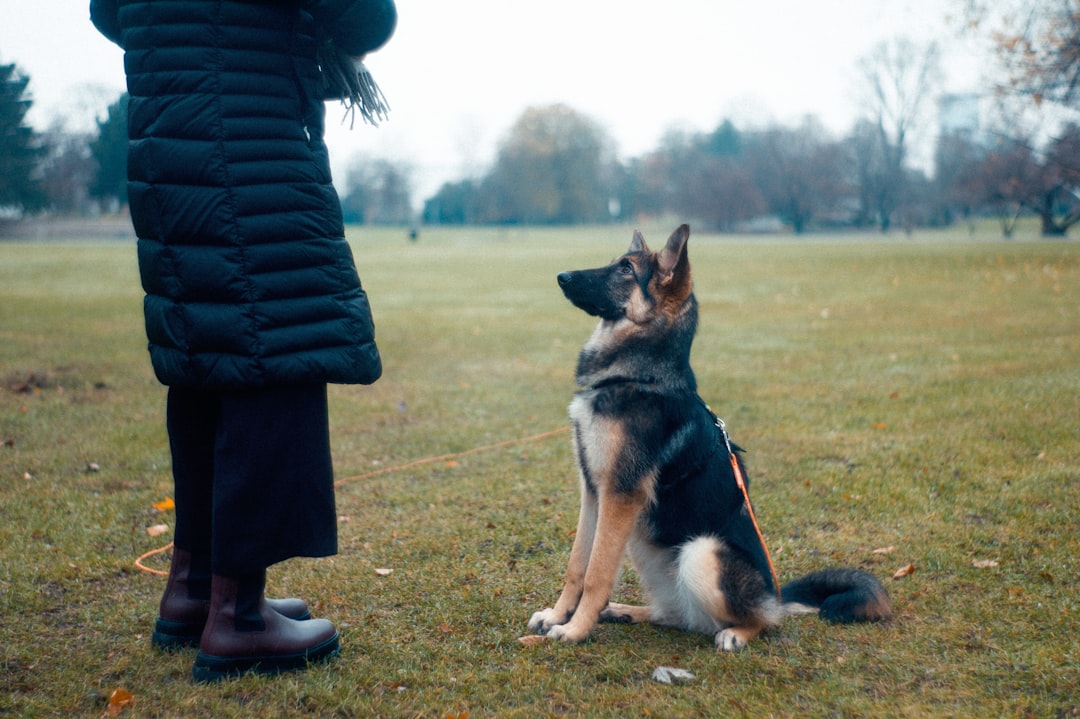
Why is understanding dog behavior becoming a priority for modern pet owners?
Dog ownership has evolved significantly, with more families focusing on emotional connection, communication, and long-term wellness. Today, owners are not only interested in teaching basic commands but also in understanding the reasons behind their dog’s actions. This growing awareness has increased the importance of behavioral dog training as a positive approach to developing confidence, cooperation, and healthy habits in dogs.
What do current trends reveal about the growth of dog behavior training?
The demand for professional dog guidance has increased as more owners recognize the connection between behavior and overall quality of life. Recent pet care trends show that families are investing more attention in training methods that support emotional balance, social skills, and positive responses.
Statistics from the pet industry indicate that training is becoming one of the most valued areas of responsible dog ownership. Owners are looking for solutions that help their dogs adapt to different environments while maintaining comfort and confidence.
How does behavioral understanding improve the relationship between dogs and owners?
A strong relationship between a dog and its owner depends on trust and clear communication. Dogs express themselves through body language, reactions, and daily patterns rather than words. Understanding these signals allows owners to respond in a way that supports their pet’s needs.
When owners recognize why a dog behaves in a certain way, they can create better routines and encourage positive development. This understanding helps build a stronger connection and creates a more enjoyable experience for both dogs and humans.
Why is positive training considered effective for improving dog behavior?
Positive training focuses on encouragement, consistency, and rewarding desired actions. This approach helps dogs understand expectations while maintaining confidence throughout the learning process. It creates an environment where dogs feel motivated to participate and develop new skills.
Many modern pet care studies highlight that supportive training methods contribute to better learning outcomes. Dogs that receive consistent guidance often become more comfortable in social situations and daily activities.
What role does consistency play in successful dog training?
Consistency is one of the most important factors in helping dogs understand routines and expectations. Clear communication, regular practice, and patient guidance allow dogs to develop reliable habits over time.
A consistent approach helps reduce confusion and supports faster learning. Whether it involves household routines, social interactions, or new experiences, maintaining a steady training style can create positive results.
How does mental stimulation affect a dog’s behavior and happiness?
Mental stimulation plays a major role in keeping dogs active and engaged. Learning activities, problem-solving exercises, and interactive experiences help support a dog’s natural curiosity. These activities can improve focus while reducing boredom.
Pet wellness trends show that owners are increasingly adding enrichment opportunities to their dogs’ daily lives. A balanced combination of physical activity and mental engagement supports overall happiness and better behavior.
Why are personalized training approaches becoming more popular?
Every dog has a unique personality, background, and learning style. Because of this, personalized training strategies are becoming more common among responsible pet owners. Understanding individual differences allows training methods to be adjusted according to each dog’s comfort level and abilities.
A customized approach helps dogs learn effectively while maintaining a positive experience. It also allows owners to better understand their pets and create stronger connections.
What benefits can families experience through improved dog behavior?
Better behavioral understanding can make everyday life easier and more enjoyable. Dogs with proper guidance often show improved confidence, stronger communication skills, and better adjustment to different situations.
For families, effective training can create a peaceful home environment and strengthen the emotional bond with their pets. The benefits extend beyond learning skills because training supports a healthier relationship built on trust and respect.
How is the future of dog training changing with increased awareness?
The future of dog training is moving toward more informed and compassionate methods. As knowledge about canine behavior continues to expand, owners are becoming more interested in approaches that support both physical and emotional wellness.
This shift shows that modern dog care is focused on understanding, patience, and positive development. With continued awareness, more families can provide their dogs with the support needed for a balanced lifestyle.
Conclusion
Behavior-focused training has become an essential part of modern dog care as owners seek better ways to understand and support their pets. Growing interest in communication, enrichment, and positive guidance reflects a more thoughtful approach to dog ownership. By focusing on individual needs and consistent learning, families can build stronger relationships and help their dogs enjoy happier, healthier lives.
About the Author