

If you’ve been exploring protection dogs for sale you’ve likely noticed how overwhelming the options can be. The market is filled with breeders, trainers, and sellers all offering different claims about quality, training, and performance. While some of these claims are legitimate, others may fall short of expectations.
This guide is designed to help you navigate the process with confidence. Whether you are new to working dogs or have prior experience, understanding what you are investing in is essential. From identifying the right type of dog to recognizing warning signs, having the right knowledge will help you make an informed and responsible decision.
What Defines a Trained Protection Dog?
A trained protection dog is very different from a typical guard dog, and understanding this distinction is crucial.
Guard dogs are generally trained to protect a specific area by barking at intruders and acting territorially. They often operate independently and may not be suited for close interaction with families, guests, or children.
In contrast, a trained protection dog is carefully bred and trained to live within a household. These dogs are calm, well-socialized, and capable of interacting safely with people in everyday situations. They are trained to respond only to genuine threats, either on command or when a situation clearly demands it.
Rather than acting unpredictably, these dogs are controlled, disciplined, and highly responsive. They combine companionship with advanced working ability, making them both loyal family members and reliable protectors.
Why People Choose Trained Protection Dogs
People invest in trained protection dogs for a variety of reasons, depending on their lifestyle and security needs.
For many, personal and family safety is the primary motivation. A trained dog provides an active layer of protection that goes beyond passive security systems. Their presence alone can act as a powerful deterrent.
Others require a higher level of protection due to professional or public exposure. Individuals who travel frequently or operate in high-risk environments often rely on trained dogs that can function calmly in airports, vehicles, and public spaces.
Some buyers are drawn to the combination of companionship and capability. These dogs offer not only loyalty and emotional connection but also exceptional discipline and intelligence.
In more remote areas, where emergency response times may be longer, having a trained protection dog can provide an added sense of security and peace of mind.
Breeds Commonly Used for Protection Work
Not all dog breeds are suited for protection work. The most successful protection dogs share specific traits, including intelligence, physical strength, a strong work drive, and a stable temperament.
The German Shepherd is one of the most recognized breeds for protection work. Known for its intelligence and loyalty, it adapts well to various environments and forms strong bonds with its family. It is capable of being both gentle in daily life and highly responsive when protection is required.
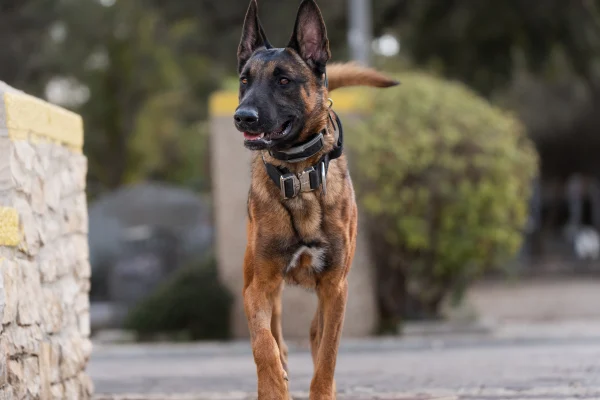
The Belgian Malinois is widely used in military and law enforcement roles. This breed is highly energetic, quick to learn, and capable of performing under pressure. Its intensity makes it ideal for experienced handlers who can provide consistent training and structure.
The Dutch Shepherd is less commonly known but highly respected among professionals. Agile and adaptable, this breed handles challenging environments with confidence. It offers a balance of energy and flexibility, making it a strong option for those seeking a versatile working dog.
Each of these breeds has been developed over time for performance and reliability. Choosing the right one depends on your experience, lifestyle, and expectations.
Understanding Levels of Training
When reviewing protection dogs for sale, you will often encounter different levels of training. Knowing what these levels mean is essential for selecting the right dog.
Basic obedience training is the foundation. Commands such as sit, stay, heel, come, and down must be executed reliably. Without this foundation, advanced training cannot function effectively.
Socialization training ensures the dog can behave appropriately in various environments. This includes exposure to people, children, other animals, and busy public settings. A well-socialized dog remains calm and controlled, even under stimulation.
Personal protection training involves teaching the dog to recognize and respond to real threats. This includes both responding to commands and acting instinctively when necessary. This level of training requires significant expertise and time.
Sport-based protection training, such as structured competitions, focuses on performance in controlled environments. While impressive, these skills do not always translate directly to real-world protection scenarios. Understanding this difference is important when evaluating a dog’s capabilities.
Warning Signs to Watch For
The protection dog market includes both reputable professionals and less reliable sellers. Recognizing potential red flags can help you avoid costly mistakes.
Prices that seem unusually low should raise concerns. Properly trained protection dogs require extensive time, resources, and expertise. If an offer appears too good to be true, it likely is.
Lack of transparency is another major warning sign. Sellers should be able to provide detailed information about the dog’s background, health, and training history. Vague or incomplete answers indicate potential issues.
An inability to meet or evaluate the dog before purchase is also a concern. Buyers should have the opportunity to interact with the dog and observe its behavior in a controlled setting.
Finally, be cautious of dogs that display uncontrolled aggression. True protection dogs are stable, confident, and disciplined. Aggression without control is not a sign of quality training—it is a liability.
Making an Informed Decision
Choosing a trained protection dog is a significant investment that requires careful consideration. By understanding the differences between training levels, recognizing the qualities of suitable breeds, and identifying potential risks, you can make a decision that aligns with your needs.
A well-trained protection dog offers more than security. It provides companionship, confidence, and a sense of safety that enhances daily life. With the right approach, you can find a dog that not only protects but also becomes a trusted and valued member of your household.
About the Author